
In the official Volkswagen parts list, item 199 398 500 A is one of the most unique “sausage” products in the world, created by Volkswagen to celebrate the 45th anniversary of its production.
First made in 1973, Volkswagen has been producing its own currywurst ever since, turning it into a company symbol across Europe. While it is a staple in the factory cafeterias in Wolfsburg and other European Volkswagen plants for breakfast or lunch, it is also sold in grocery stores under the Volkswagen Originalteil brand. Dealers in Germany often gift customers five packs at a time. And it’s a huge success: last year, Volkswagen produced 6.8 million currywursts more than the total number of VW cars sold worldwide in 2017.
What does VW currywurst taste like? For an American foodie used to sausages that are typically called “sweet” or “spicy,” currywurst falls somewhere in between. It has a strong curry flavor with hints of pepper and ginger. The original recipe, created by Volkswagen’s first butchers in 1973, is an official company secret known only to a few. It is usually served whole or sliced into small pieces in a paper tray and topped with ketchup preferably curry-flavored, also prepared according to Volkswagen’s recipe.
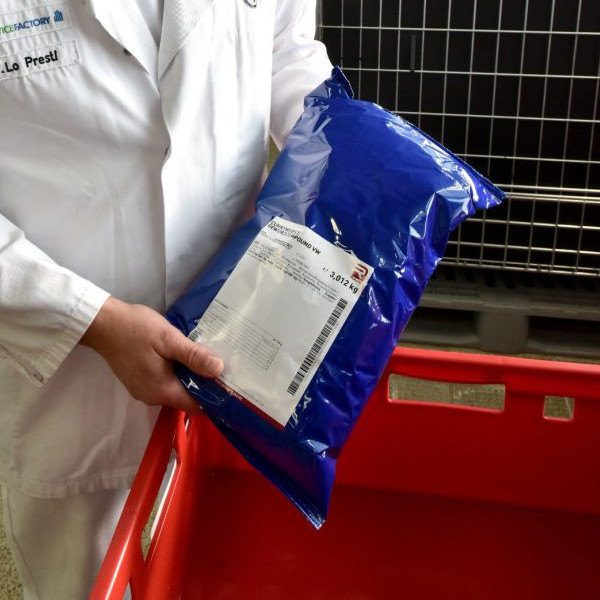
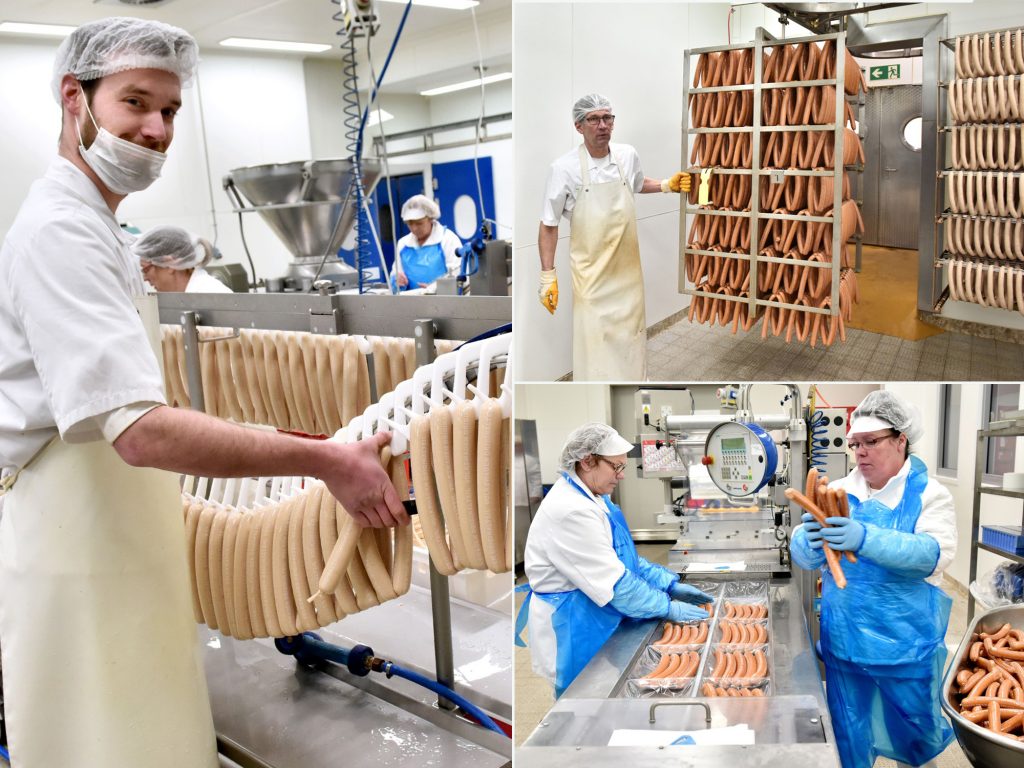
Since its creation, the currywurst has been produced in-house by Volkswagen employees. Today, around 30 workers, most trained butchers, oversee the process at VW’s flagship Wolfsburg plant. Three times a week, the facility collects fresh pork from nearby farms and grinds selected cuts to a uniform consistency. “Our currywurst contains only 20 percent fat. Usually, it’s about 35 percent,” explains head butcher Franco Lo Presti, who has been making VW currywurst since 1979. After adding the spices and stuffing the sausage casings, the sausages are dried, beech-smoked, and steamed for 100 minutes at 176 degrees Celsius. The finished product is weighed, inspected, and packaged for shipment to other Volkswagen facilities or retail outlets, with a typical production volume of 18,000 sausages per day.
For those who prefer a meat-free option, VW has also offered a vegetarian version since 2010. The best chance to taste Volkswagen’s handcrafted delicacy is to travel abroad. Fresh currywurst cannot be imported here; in the rare cases when Volkswagen wanted to serve currywurst in the United States, it brought butchers over and recreated the production line using local ingredients. But there’s no need to rush, as Volkswagen’s most popular non-automotive product will continue to be produced for many more years.


Be First to Comment